
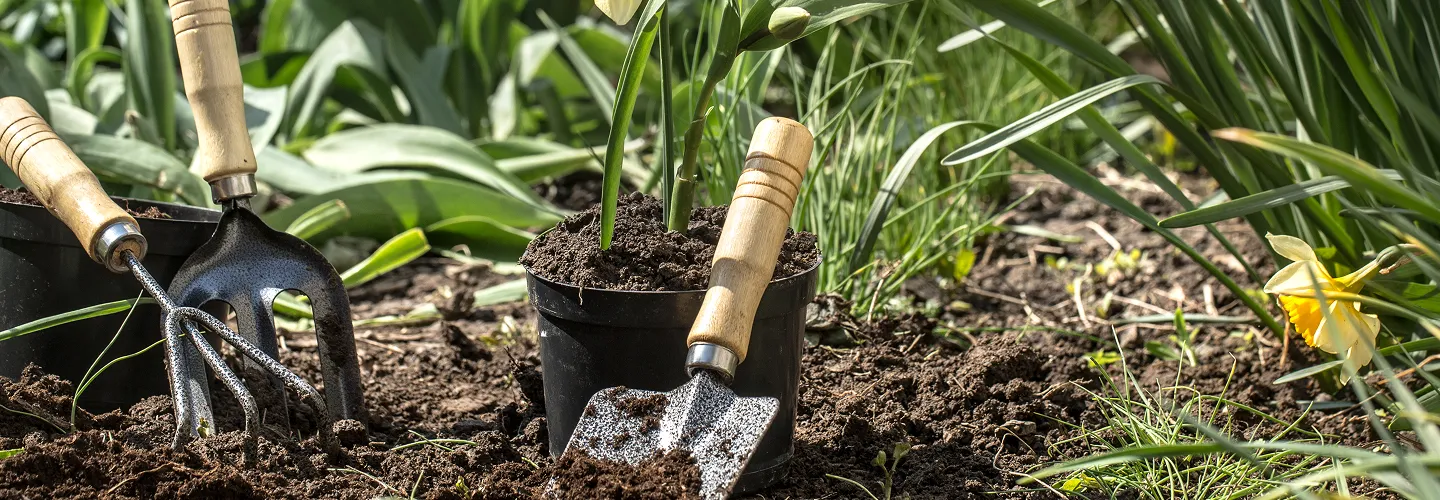
New Port Richey Flower Bed Maintenance Services
Choose our Flower Bed Maintenance for expert care, vibrant blooms, and a weed-free landscape—so you can enjoy a beautiful yard without the hassle.
Get a Free QuoteOur New Port Richey Landscaping & Yard Care Services
When to Schedule Flower Bed Maintenance in New Port Richey, Florida – Seasonal Guide
In New Port Richey, Florida, the best times for flower bed maintenance are shaped by our unique Gulf Coast climate and the specific needs of local landscapes. With mild winters and hot, humid summers, most homeowners in neighborhoods like Trinity, Gulf Harbors, and near Sims Park find that early spring and late fall are optimal for major cleanups, mulching, and planting. These periods avoid the peak summer heat and the risk of frost, which typically ends in early March and rarely returns before December.
Local factors such as sandy soils, high humidity, and the occasional drought spell—especially in areas near the Pithlachascotee River—mean that regular attention is needed to keep beds healthy and vibrant. Shade from mature oaks in communities like River Ridge, as well as municipal watering restrictions, can also influence the timing and frequency of maintenance. For more information on local environmental guidelines, visit the official city resource.
Local Factors to Consider for Flower Bed Maintenance in New Port Richey
- Tree density and shade coverage (e.g., mature oaks in River Ridge)
- Soil type (predominantly sandy, requiring frequent mulching)
- Seasonal precipitation and drought risk
- Humidity levels and fungal disease potential
- Municipal watering restrictions and local ordinances
- Proximity to saltwater or brackish environments
- Terrain and drainage patterns, especially after summer storms
Benefits of Flower Bed Maintenance in New Port Richey

Enhanced Curb Appeal
Weed and Pest Prevention
Healthier Plant Growth
Seasonal Color Management
Professional Landscape Expertise
Time and Effort Savings
New Port Richey Flower Bed Maintenance Types

Seasonal Mulching
-
Weed Control Services
-
Soil Amendment
-
Plant Pruning and Trimming
-
Fertilization Programs
-
Pest and Disease Management
-
Edging and Bed Redefining
Our Flower Bed Maintenance Process
Site Evaluation
Weed Removal
Soil Preparation
Plant Care
Mulching
Why Choose New Port Richey Landscape Services
New Port Richey Homeowners Trust Us
-
Expert Lawn Maintenance
-
Reliable Scheduling
-
Competitive Pricing
-
Licensed and Insured Team
-
Personalized Service Plans
-
Satisfaction Guarantee
-
Prompt Customer Support
Coordinating Flower Bed Maintenance with New Port Richey’s Public Works and Parks Divisions
Effective flower bed maintenance in New Port Richey requires coordination with city departments responsible for public landscapes, stormwater management, and debris handling. Residents and property managers should be aware that vegetative debris from flower beds, such as pruned stems, spent blooms, and mulch trimmings, must be managed according to city yard waste procedures. The Department of Public Works oversees collection and disposal of green waste, ensuring that materials do not obstruct storm drains or swales. For flower beds located in public-facing areas, such as medians or parks, the Parks & Recreation Department maintains standards for plant selection, irrigation, and seasonal replanting. To prevent runoff and maintain neighborhood appearance, it is essential to keep all clippings and mulch out of curb inlets and drainage channels. For specific guidance on debris collection schedules or public landscape standards, residents may consult the following department:
New Port Richey Public Works
5919 Main Street, New Port Richey, FL 34652
Phone: (727) 841-4536
Official Website: New Port Richey Public Works
How Gulf Coast Florida Conditions Shape Flower Bed Maintenance in New Port Richey
New Port Richey’s Gulf Coast location brings unique environmental factors that directly influence flower bed maintenance. The area’s USDA Hardiness Zone 9b supports a wide range of subtropical and heat-tolerant annuals and perennials, but also exposes beds to intense summer heat and high humidity. Soils are typically sandy or fill-based, leading to rapid drainage and increased nutrient leaching, which can affect plant health and mulch longevity. The wet season, generally from June through September, brings heavy rainfall that can cause mulch displacement and weed flushes, while the dry season may require supplemental irrigation. Key local conditions include:
- High water table and periodic flooding in low-lying or poorly drained areas
- Salt exposure in coastal neighborhoods, impacting plant selection and irrigation methods
- Runoff sensitivity near canals, swales, and storm drains, requiring careful placement of fertilizers and mulch For more on local soils, the USDA Web Soil Survey provides detailed mapping for New Port Richey.
Regulatory and Environmental Compliance for Flower Bed Maintenance in New Port Richey
Flower bed maintenance activities must comply with both municipal codes and state environmental regulations. The city enforces property maintenance standards, including control of overgrowth, weed suppression, and proper disposal of yard waste. Use of pesticides or herbicides in flower beds is regulated under Chapter 487 of the Florida Statutes, requiring licensed applicators for most chemical treatments. Nutrient management is also governed by the Model Ordinance for Florida-Friendly Fertilizer Use, which restricts fertilizer application near water bodies and during certain wet-season periods. Residents should:
- Confirm any permit or review requirements for major landscape changes with the city’s Building Division
- Avoid placing mulch or soil where it can wash into storm drains or canals, in accordance with EPA stormwater guidance
- Use only licensed professionals for pesticide application, as required by FDACS For code enforcement or compliance questions, contact:
New Port Richey Code Enforcement
6739 Adams Street, New Port Richey, FL 34652
Phone: (727) 841-4550
Official Website: New Port Richey Code Enforcement
Professional Methods and Seasonal Timing for Flower Bed Maintenance in New Port Richey
Professional flower bed maintenance in New Port Richey is shaped by the city’s climate and environmental context. Key standards include:
- Mulch should be maintained at a depth of 2–3 inches to suppress weeds and retain soil moisture, but kept several inches away from plant stems to prevent rot
- Drip irrigation or micro-spray emitters are preferred for efficient watering and to minimize runoff, as recommended by EPA WaterSense Outdoors
- Deadheading and removal of spent blooms should be performed regularly, especially during the wet season, to reduce disease pressure and encourage continued flowering
- Seasonal replanting is best scheduled for late winter or early spring, taking advantage of moderate temperatures and rainfall patterns
- Weed suppression is most effective when performed before seed set, particularly after heavy rains that trigger weed growth For additional horticultural guidance, UF/IFAS Gardening Solutions offers region-specific advice for Florida landscapes.
What Neighborhoods Do We Serve Throughout New Port Richey, FL?
- Downtown New Port Richey This area features mature landscaping, smaller lots, and public-facing beds that often require careful coordination with city standards.
- Gulf Harbors Coastal exposure and salt spray influence plant selection and irrigation methods in this waterfront community.
- River Ridge Larger lots and proximity to natural preserves mean flower beds often border wooded areas and require attention to drainage and wildlife.
- Magnolia Valley Subdivision fill soils and moderate shade from established trees affect both irrigation needs and mulch longevity.
- Colonial Hills Older lots with established beds and variable drainage patterns demand regular weed suppression and runoff management.
- Orchid Lake Village Neighborhood ponds and swales increase the importance of keeping mulch and debris out of stormwater features.
- The Oaks at River Ridge Newer development patterns, HOA landscaping standards, and irrigation system prevalence shape flower bed maintenance routines.