
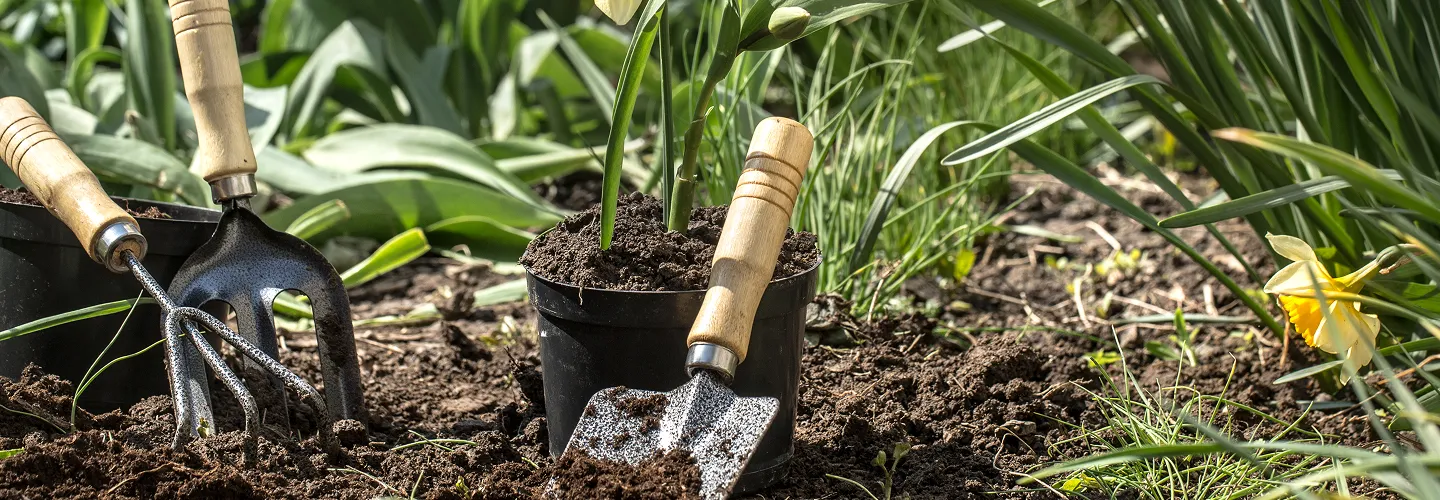
New Port Richey Flower Planting Services
Choose our flower planting services for expert design, healthy plants, and vibrant gardens that thrive in New Port Richey’s unique climate—bringing lasting color and curb appeal to your home.
Get a Free QuoteOur New Port Richey Landscaping & Yard Care Services
When to Schedule Flower Planting in New Port Richey, Florida – Seasonal Guide
Flower planting in New Port Richey is best scheduled with careful attention to our unique Gulf Coast climate. The ideal planting windows are typically late winter through early spring and again in early fall, when temperatures are moderate and rainfall is more predictable. In neighborhoods like Trinity and along the Cotee River, the risk of late frosts is minimal, but summer heat and humidity can stress new plantings if not timed properly.
Local factors such as sandy soils, variable shade from mature oaks in areas like River Ridge, and occasional drought conditions all play a role in determining the best time for planting. It's also important to consider municipal guidelines and local watering restrictions, which can be found on official resources like the Sudbury town website. By tailoring your planting schedule to these local conditions, you can ensure vibrant, long-lasting flower beds that thrive throughout the seasons.
Local Factors to Consider for Flower Planting in New Port Richey
- Proximity to mature trees and resulting shade coverage
- Soil composition (sandy, loamy, or clay)
- Average rainfall and seasonal drought risk
- Neighborhood-specific microclimates (e.g., near Green Key Beach or Main Street)
- Municipal watering restrictions and planting ordinances
- Terrain and drainage patterns
Benefits of Flower Planting in New Port Richey
Expert Local Knowledge
Customized Landscape Designs
Seasonal Plant Selection
Enhanced Curb Appeal
Eco-Friendly Practices
Reliable Maintenance Services
New Port Richey Flower Planting Types

Annual Flower Beds
Brighten your landscape with seasonal color using annual flowers.
-
Perennial Gardens
Enjoy long-lasting blooms year after year with hardy perennial plants.
-
Native Florida Flowers
Enhance sustainability with flowers adapted to the local climate.
-
Pollinator-Friendly Plantings
Attract bees, butterflies, and hummingbirds with pollinator-friendly flowers.
-
Shade Garden Flowers
Beautify shaded areas with flowers that thrive in low-light conditions.
-
Drought-Tolerant Flower Beds
Conserve water with vibrant, low-maintenance drought-tolerant flowers.
Our Flower Planting Process
Site Evaluation
Soil Preparation
Plant Selection
Careful Planting
Watering and Mulching
Why Choose New Port Richey Landscape Services
New Port Richey Homeowners Trust Us
-
Expert Lawn Maintenance
-
Reliable Scheduling
-
Competitive Pricing
-
Licensed and Insured Team
-
Personalized Service Plans
-
Satisfaction Guarantee
-
Prompt Customer Support
Coordinating Flower Planting with New Port Richey Parks and Public Spaces
Flower planting in New Port Richey often intersects with city-managed parks, medians, and public greenspaces. Residents and property managers planning installations in public-facing areas or near city infrastructure should coordinate with the New Port Richey Parks & Recreation Department to ensure plantings align with municipal standards for visibility, irrigation, and maintenance. For projects adjacent to sidewalks, rights-of-way, or city-maintained medians, it is essential to verify whether city approval or review is required before proceeding. The department can provide guidance on approved species, maintenance expectations, and any restrictions related to public safety or infrastructure access. For private property installations, coordination is generally not required unless the planting impacts city property or utilities. When in doubt, consult the department for clarification on boundaries and responsibilities.
New Port Richey Parks & Recreation
New Port Richey, FL
Official Website: New Port Richey Parks & Recreation
How Gulf Coast Florida Conditions Shape Flower Planting in New Port Richey
New Port Richey’s Gulf Coast location brings unique environmental factors that directly influence flower planting success. The area is characterized by:
- Sandy, well-drained soils that can lead to rapid nutrient leaching, requiring careful soil amendment and mulching
- High humidity and intense summer heat, which favor heat-tolerant, disease-resistant flower species and may increase fungal pressure
- A pronounced wet season from late spring through early fall, resulting in periodic flooding or saturated soils, especially in low-lying or poorly drained sites
Additionally, the USDA Plant Hardiness Zone for New Port Richey is 9b, supporting a wide range of subtropical and tropical flowering plants. However, salt exposure may be a concern for plantings near coastal areas or brackish canals. Irrigation is often necessary during the dry winter months, but overwatering during the wet season should be avoided to prevent root rot and runoff into local waterways. For more on local soils, consult the USDA Web Soil Survey.
Regulatory Requirements and Environmental Compliance for Flower Planting
Flower planting in New Port Richey must comply with both municipal and state-level regulations, particularly when projects are near stormwater systems, public rights-of-way, or environmentally sensitive areas. Key considerations include:
- City code may restrict plant height or species near intersections, sidewalks, or utility easements to maintain visibility and access
- The Florida-Friendly Fertilizer Use Ordinance applies to fertilizer use on urban landscapes, requiring careful timing and application to prevent nutrient runoff
- Stormwater management rules, as outlined by the Florida DEP NPDES Stormwater Program, prohibit the discharge of soil, mulch, or fertilizer into storm drains, swales, or canals
For installations that may impact public infrastructure or require review, the New Port Richey Building Division can clarify permit requirements and code compliance.
New Port Richey Building Division
New Port Richey, FL
Official Website: New Port Richey Building Division
Professional Flower Planting Methods and Seasonal Timing in New Port Richey
Effective flower planting in New Port Richey relies on adapting methods to local climate and site conditions. Professional standards include:
- Scheduling major plantings in late winter or early spring, before the onset of the wet season, to allow roots to establish in less saturated soils
- Amending sandy soils with organic matter to improve water and nutrient retention, and applying mulch to moderate soil temperature and suppress weeds
- Selecting regionally appropriate species, such as pentas, salvia, and coleus, which tolerate heat, humidity, and periodic heavy rainfall
- Installing drip or micro-irrigation systems to deliver water efficiently and reduce runoff, as recommended by EPA WaterSense Outdoors
Routine maintenance should include deadheading, periodic replanting, and monitoring for fungal issues during humid months. Avoid planting in areas prone to standing water or where runoff could carry soil or fertilizer into storm drains.
What Neighborhoods Do We Serve Throughout New Port Richey, FL?
- Downtown New Port Richey This area features mature landscaping, smaller lots, and proximity to city parks and public spaces, requiring careful coordination for public-facing plantings.
- River Ridge Known for larger lots and adjacency to natural preserves, River Ridge sites often face drainage and irrigation challenges due to mixed soil conditions.
- Gulf Harbors Coastal exposure and salt spray influence plant selection, with many properties bordering canals or brackish water.
- Magnolia Valley Subdivision fill soils and moderate shade from established trees affect both drainage and flower species viability.
- Colonial Hills Older lots with established irrigation systems and mature trees, where shade and root competition are common considerations.
- Orchid Lake Village Features retention ponds and swales, making runoff management and stormwater protection especially important for flower beds.
- Jasmine Estates A mix of newer and older homes, with varying lot sizes and both sun-exposed and shaded planting areas, often near neighborhood greenways.