
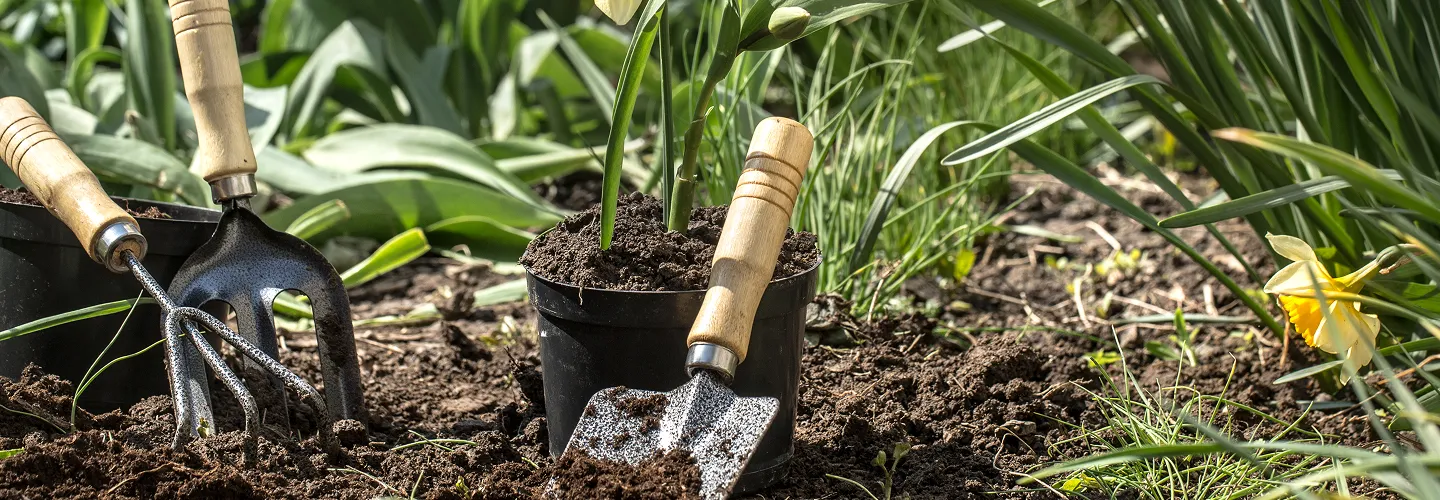
New Port Richey Plant Removal Services
Choose our plant removal services for expert care, fast turnaround, and eco-friendly disposal—ensuring your property looks its best with minimal disruption.
Get a Free QuoteOur New Port Richey Landscaping & Yard Care Services
When to Schedule Plant Removal in New Port Richey, Florida – Seasonal Guide
In New Port Richey, Florida, timing your plant removal is crucial for both the health of your landscape and compliance with local guidelines. The region’s subtropical climate means that optimal removal periods often fall between late winter and early spring, just after the last frost but before the onset of heavy summer rains. This window allows for easier root extraction and minimizes regrowth, especially in neighborhoods like Gulf Harbors and Trinity, where mature landscaping and established shade trees are common.
Local environmental factors such as high humidity, sandy soils, and the risk of drought during late spring can all impact the success of plant removal projects. Areas near the Cotee River or James E. Grey Preserve may also experience unique microclimates, affecting soil moisture and plant resilience. It’s important to consider municipal restrictions and local ordinances, which can be found on the official city website, before scheduling any major landscape changes.
Local Factors to Consider for Plant Removal in New Port Richey
- Proximity to water bodies like the Cotee River, which can affect soil saturation
- Tree density and shade coverage in neighborhoods such as River Ridge
- Typical frost dates and the timing of seasonal rainfall
- Soil type, especially sandy or well-drained soils common in the area
- Municipal restrictions or permit requirements for plant and tree removal
- Terrain and accessibility, particularly in older or densely landscaped communities
Benefits of Plant Removal in New Port Richey
Expert Plant Removal Services
Safe and Efficient Techniques
Improved Landscape Appearance
Prevention of Invasive Species
Enhanced Property Value
Eco-Friendly Disposal Solutions
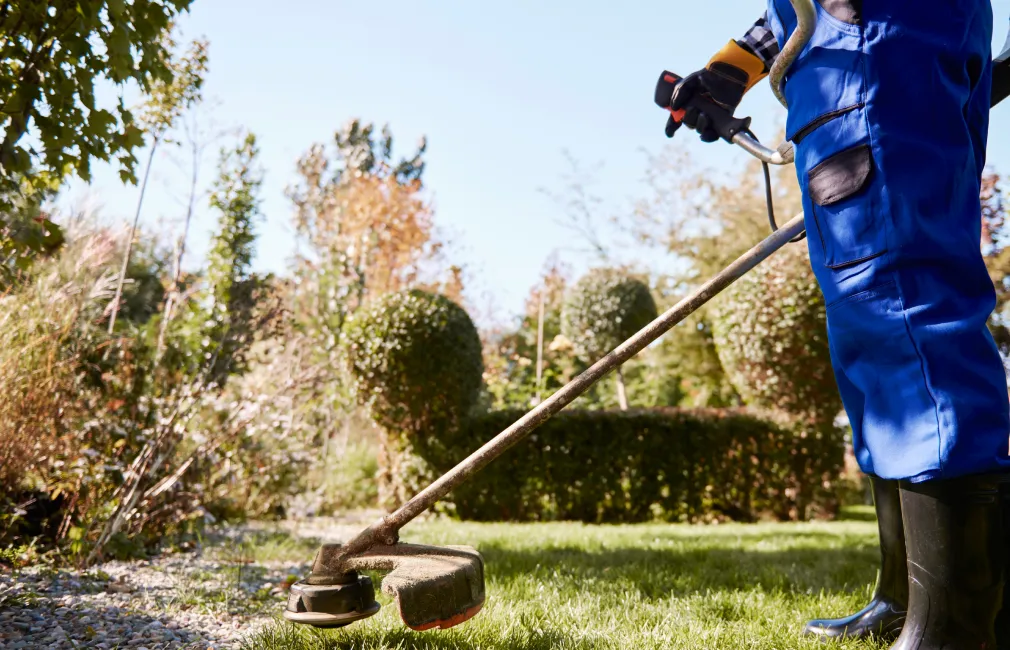
New Port Richey Plant Removal Types

Tree Removal
-
Shrub Removal
-
Stump Grinding
-
Invasive Species Removal
-
Root System Extraction
-
Hedge Clearing
-
Overgrown Vegetation Removal
Our Plant Removal Process
Site Evaluation
Preparation and Safety Measures
Plant Extraction
Debris Removal
Site Restoration
Why Choose New Port Richey Landscape Services
New Port Richey Homeowners Trust Us
-
Expert Lawn Maintenance
-
Reliable Scheduling
-
Competitive Pricing
-
Licensed and Insured Team
-
Personalized Service Plans
-
Satisfaction Guarantee
-
Prompt Customer Support
Coordinating Plant Removal with New Port Richey Public Works and Stormwater Management
Plant removal in New Port Richey requires careful coordination with the city’s Public Works Department, especially when dealing with vegetative debris, right-of-way access, and stormwater-sensitive areas. Residents and property managers must ensure that all removed plant material is properly staged for collection and does not obstruct swales, storm drains, or public rights-of-way. The city provides guidance on yard waste disposal, including bundling and placement requirements, to prevent debris from entering drainage systems and contributing to local flooding or water quality issues. For projects near canals or drainage inlets, it is essential to keep all soil and plant debris contained and to schedule removal activities to avoid heavy rainfall periods, which can increase runoff risk. For large-scale or invasive plant removal, coordination with Public Works is recommended to confirm collection schedules and any additional requirements for bulk debris.
New Port Richey Public Works
5919 Main Street, New Port Richey, FL 34652
Phone: 727-841-4536
Official Website: New Port Richey Public Works
How New Port Richey’s Gulf Coast Conditions Shape Plant Removal Practices
New Port Richey, situated on Florida’s Gulf Coast, experiences a humid subtropical climate with pronounced wet and dry seasons, high summer temperatures, and frequent afternoon thunderstorms. These conditions influence plant removal in several ways:
- Sandy and fill-based soils are common, especially in newer subdivisions, leading to rapid drainage but also increased erosion risk after plant removal.
- The high water table and proximity to canals, swales, and retention ponds mean that exposed soil can quickly contribute to runoff and sedimentation if not stabilized.
- Salt exposure is a concern in coastal and waterfront areas, affecting both the types of plants present and the methods used for removal and site restoration.
Additionally, the USDA Hardiness Zone for New Port Richey is 9b, which supports a wide range of subtropical and coastal plant species, including many invasive or nuisance varieties that may require removal. The city’s rainfall pattern, with most precipitation occurring from June through September, necessitates careful timing to avoid soil disturbance during peak stormwater flow.
Regulatory Requirements and Environmental Compliance for Plant Removal in New Port Richey
Plant removal activities in New Port Richey are subject to both municipal and state-level regulations designed to protect water quality, public infrastructure, and neighborhood standards. City code may require permits or review for removal projects that impact public rights-of-way, drainage features, or regulated vegetation. The New Port Richey Code Enforcement division enforces property maintenance and nuisance vegetation standards, while the Florida DEP NPDES Stormwater Program provides statewide guidance on preventing sediment and debris from entering stormwater systems. Key compliance points include:
- Ensuring all plant debris is disposed of according to city yard waste rules, not left in swales or near storm drains
- Avoiding the use of unlicensed herbicides or pesticides, as regulated by FDACS Pesticide Applicator Licensing
- Confirming whether a permit or review is needed for removal near public infrastructure or in environmentally sensitive areas
New Port Richey Code Enforcement
6739 Adams Street, New Port Richey, FL 34652
Phone: 727-841-4550
Official Website: New Port Richey Code Enforcement
Professional Methods, Timing, and Standards for Plant Removal in New Port Richey’s Environment
Effective plant removal in New Port Richey requires attention to both environmental protection and site stabilization. Professional standards emphasize:
- Scheduling removal during the dry season (typically October through May) to minimize erosion and runoff risk
- Using erosion control measures, such as silt fences or mulch, especially on slopes or near water features
- Removing roots and invasive species completely to prevent regrowth, while minimizing disturbance to surrounding soil
- Promptly stabilizing exposed soil with mulch, groundcover, or approved erosion-control materials
- Keeping all debris, clippings, and sediment out of curb inlets, swales, and canal edges to protect water quality, as outlined in the Clean Water Act
For sites with high water tables or adjacent to drainage infrastructure, additional precautions may be necessary to prevent sediment transport during rain events. The USDA Web Soil Survey can be consulted to understand local soil profiles and drainage tendencies.
What Neighborhoods Do We Serve Throughout New Port Richey, FL?
- Downtown New Port Richey: Features mature landscaping, older lots, and proximity to the Pithlachascotee River, requiring careful debris handling near waterways.
- Gulf Harbors: Coastal and canal-front properties with salt exposure and high water tables, where plant removal must address runoff and site stabilization.
- River Ridge: Larger lots with wooded areas and swale drainage, often needing invasive species removal and erosion control.
- Magnolia Valley: Subdivision with fill-based soils and moderate lot sizes, where rapid drainage can increase sediment movement after removal.
- Jasmine Estates: Dense residential area with smaller lots and neighborhood stormwater basins, requiring strict adherence to debris containment rules.
- Colonial Hills: Features a mix of older and newer homes, with varying shade exposure and irrigation intensity affecting plant growth and removal needs.
- Orchid Lake Village: Includes retention ponds and greenway adjacency, making runoff management and site restoration critical after plant removal.